

The Resources Nook
Discover valuable insights into early childhood data and measurement with our collection of blogs, reports, presentations, articles, and briefs curated by ECD Measure and our esteemed partners.

Promoting Evidence-based Decision Making for Early Childhood Education
In 2021 and 2022, Together for Early Childhood Evidence provided four country grants in Ethiopia, Liberia, Rwanda and South Africa to support local research activities to inform programmatic and policy decisions facing early childhood education (ECE). These projects brought together policymakers, researchers and practitioners committed to testing and applying new approaches to data use. This brief summarizes the four country-led research activities addressing gaps in data-driven decision making in sub-Saharan Africa.
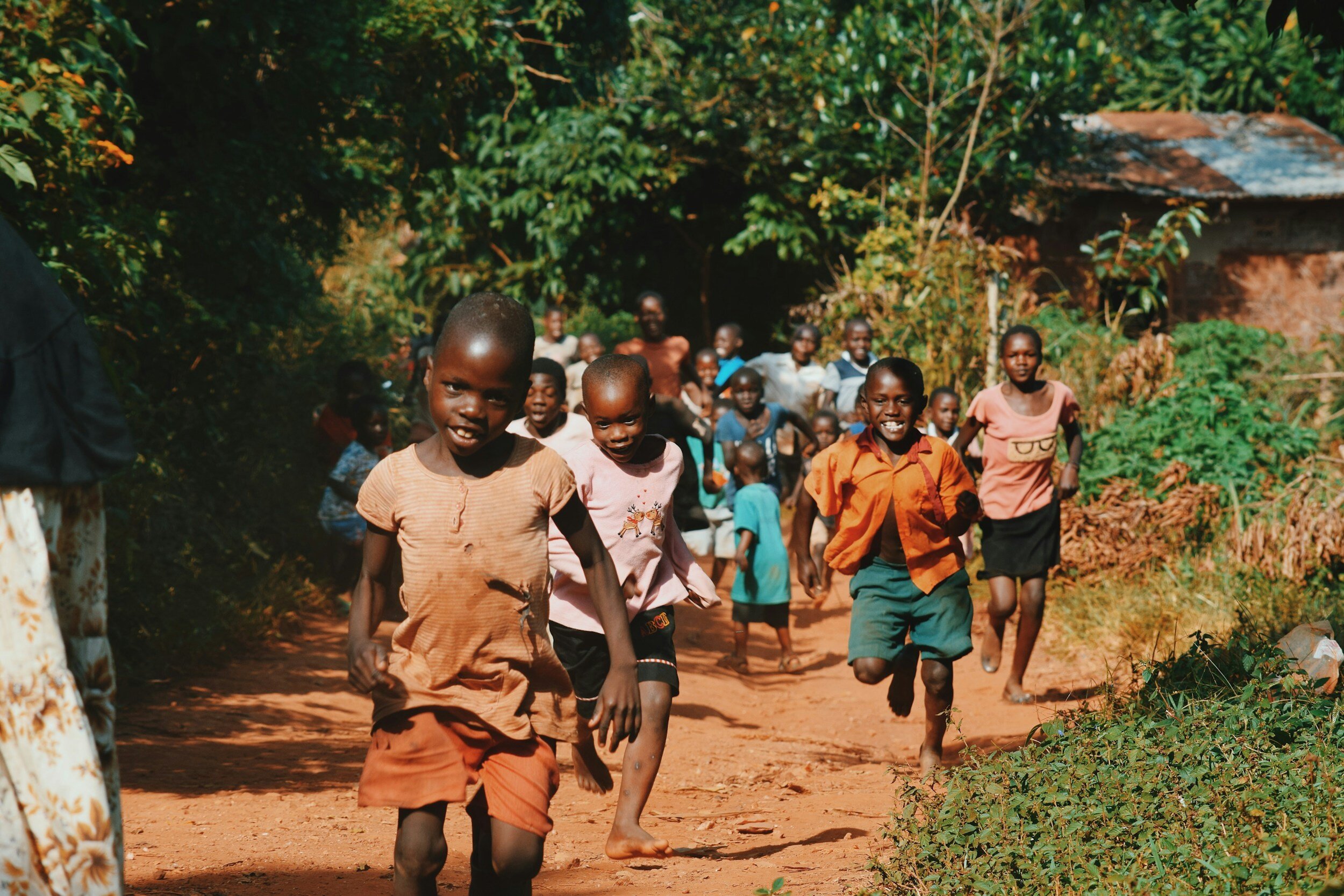
Early Childhood Care & Education Quality Assurance Systems in Africa
High-quality early childhood care and education can lead to long-term positive impacts on children’s learning and well-being. This report reviews the status of early childhood care and education (ECCE) quality assurance systems in Africa. Our recent survey of ministries of education in 14 countries in Sub-Saharan Africa ministries of education revealed the following…

Measuring Quality of Pre-primary Education in Sub-Saharan Africa: Evaluation of the Measuring Early Learning Environments Scale
Measurement of quality in early childhood education (ECE) helps shape policy and practice, yet few studies have examined the adaptation and resulting psychometric properties of ECE quality measures when used in low- and middle-income countries. This study reports on the adaptation of the Measure of Early Learning Environments scale (MELE-A), developed as part of the Measuring Early Learning Quality & Outcomes (MELQO) Initiative, in one sub-Saharan African country.

Data for Impact in ECE Technical Guide
Guide developed through the Consortium on Pre-Primary Data and Measurement in Africa (CPDMA). Outlines a framework for developing and using high-impact data in ECE systems.

Educação Infantil em Boa Vista
Results from early childhood study in Boa Vista, Brazil (in Portuguese).

The Measuring Early Learning Quality & Outcomes initiative: purpose, process and results
Describes the process of creating the MELQO tools, summarizes results from psychometric evaluation, and provides examples of how the data have been used to reveal patterns of inequity and levels of learning and classroom quality.

Bernard vanLeer Foundation Get ready for data toolkit
A tool to guide data use to serve babies, toddlers, and the people who care for them.

Quality Standards and Quality Assurance Systems for Pre-Primary Education
In recent years, government and parental investments in pre-primary education have expanded dramatically in many parts of the world. Despite the overall increase in the number of children accessing pre-primary education, in many countries, pre-primary enrollment rates remain unequal, with more access to pre-primary education for children in higher-income countries and families. This publication is a white paper on early childhood service quality standards and quality assurance systems for pre-primary education.

A Toolkit for Measuring Early Childhood Development in Low- and Middle-Income Countries
Resource for researchers, evaluators, and program personnel to assess ECD in low- and middle-income countries—either for planning and evaluating interventions, monitoring development over time, or conducting a situation analysis.
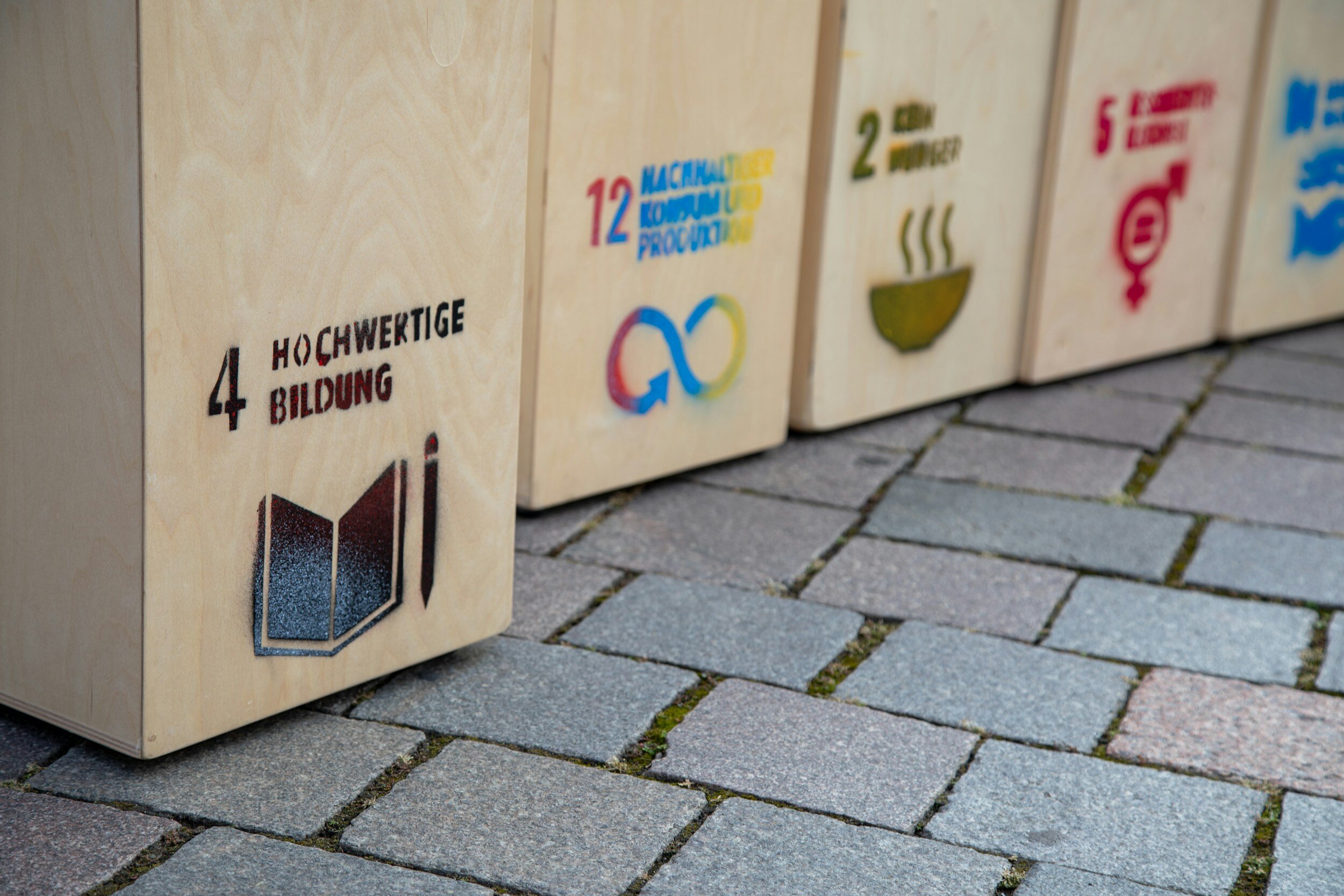
Global movement for assessments of early childhood development and what’s missing in SDG4.2
Article about international Early Childhood Development (ECD) measurement.

Toward Data-Driven Education Systems: Insights into using information to measure results and manage change
The ultimate objective of evidence-based policymaking in the education sector is to fuel progress toward three outcomes: improved student learning, increased equity, and stronger accountability relationships among policymakers, school administrators, teachers, parents, and students. This publication summarizes information decision-makers use to measure results and manage change in the education sector.

Tanzania Pre-primary Teacher Workforce
Presentation from CIES on Tanzanian pre-primary teachers, using MELQO data.

Measuring Early Learning Quality and Outcomes in Tanzania
Assessment on current policies, curricula, standards, and monitoring and evaluation systems for pre-primary education in Tanzania to inform the MELQO process. The Measuring Early Learning Quality and Outcomes (MELQO) initiative aims to improve early childhood education worldwide through measurement of children’s development and learning and the quality of learning environments. Led by UNESCO, UNICEF, the World Bank, and the Center for Universal Education at the Brookings Institution, MELQO comprises an international consortium of individuals and institutions working to improve outcomes for young children by making early learning assessment more accessible around the world. MELQO’s measurement modules pro- pose a core set of items with relevance across coun- tries, with the goal of devising items that are glob- ally comparable but locally adaptable.

The Global Scale for Early Development (GSED)
This publication summarizes two internationally standardized and validated measurement instruments for the assessment of ECD for children under age 3 years at population (short form) and programmatic (long form) levels.

Assessment of Children as Confident and Involved Learners in Early Childhood Education and Care: Literature Review
Report on identifying and assessing children's progress within Victorian Early Years Learning and Development Framework (VEYLDF) which aims to guide all early childhood professionals in their work with children and families. It sets out eight Practice Principles that provide a foundation for achieving the five nationally agreed Early Years Learning Outcomes (Early Years Learning Framework for Australia, Australian Government Department of Education and Training 2009).
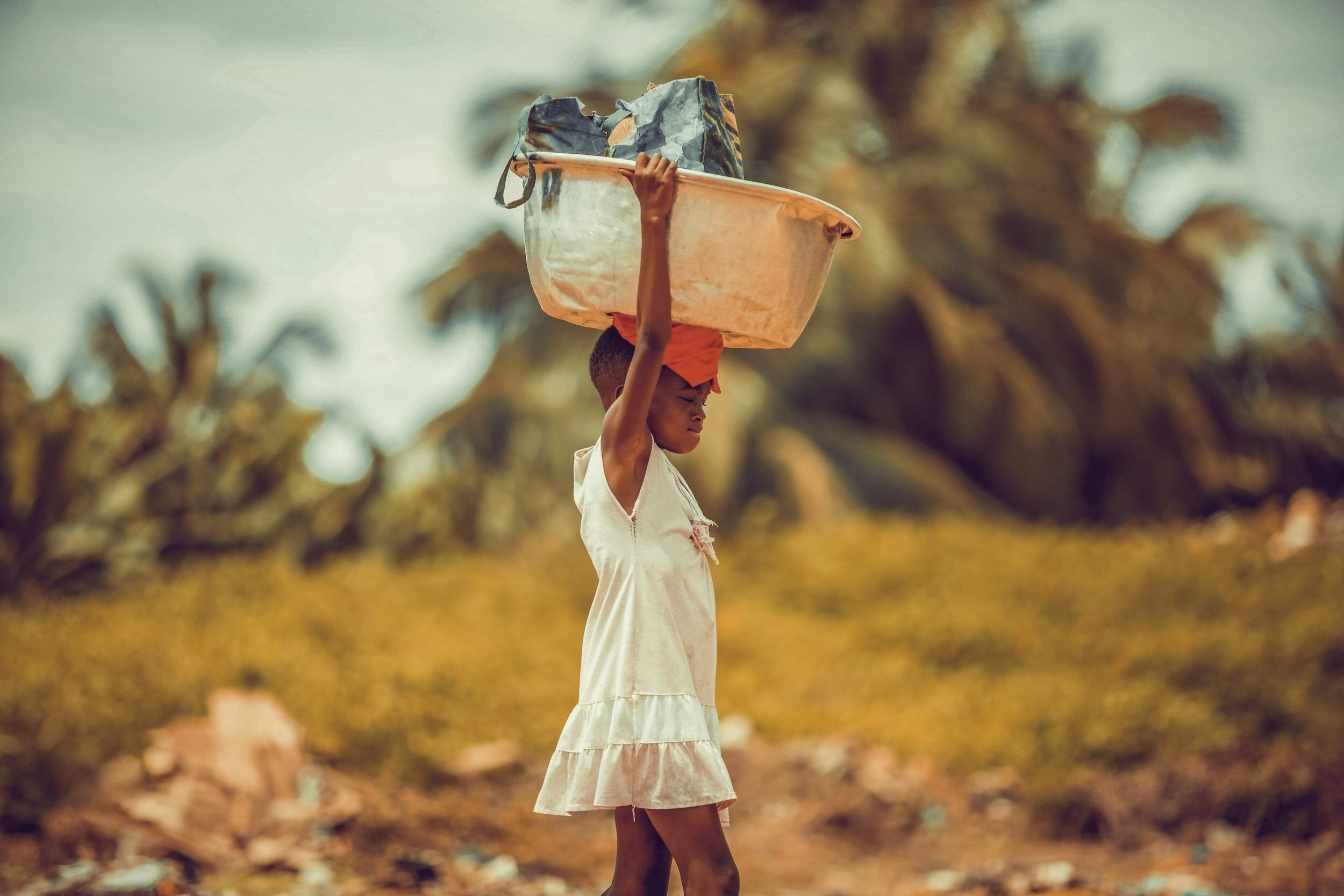
Measuring and predicting process quality in Ghanaian pre-primary classrooms using the Teacher Instructional Practices and Processes System (TIPPS)
This study assesses the factor structure and concurrent validity of an observational classroom quality tool to assess teacher-child interactions—the Teacher Instructional Practices and Processes System (TIPPS). There has been an increase in the demand for and supply of early childhood education (ECE) in low- and middle-income countries. There is also growing awareness that unless ECE is of high quality, children may attend school but not learn. Efforts to expand access to high quality ECE in low- and middle-income countries will require measurement efforts that are theoretically-grounded and culturally-adapted.
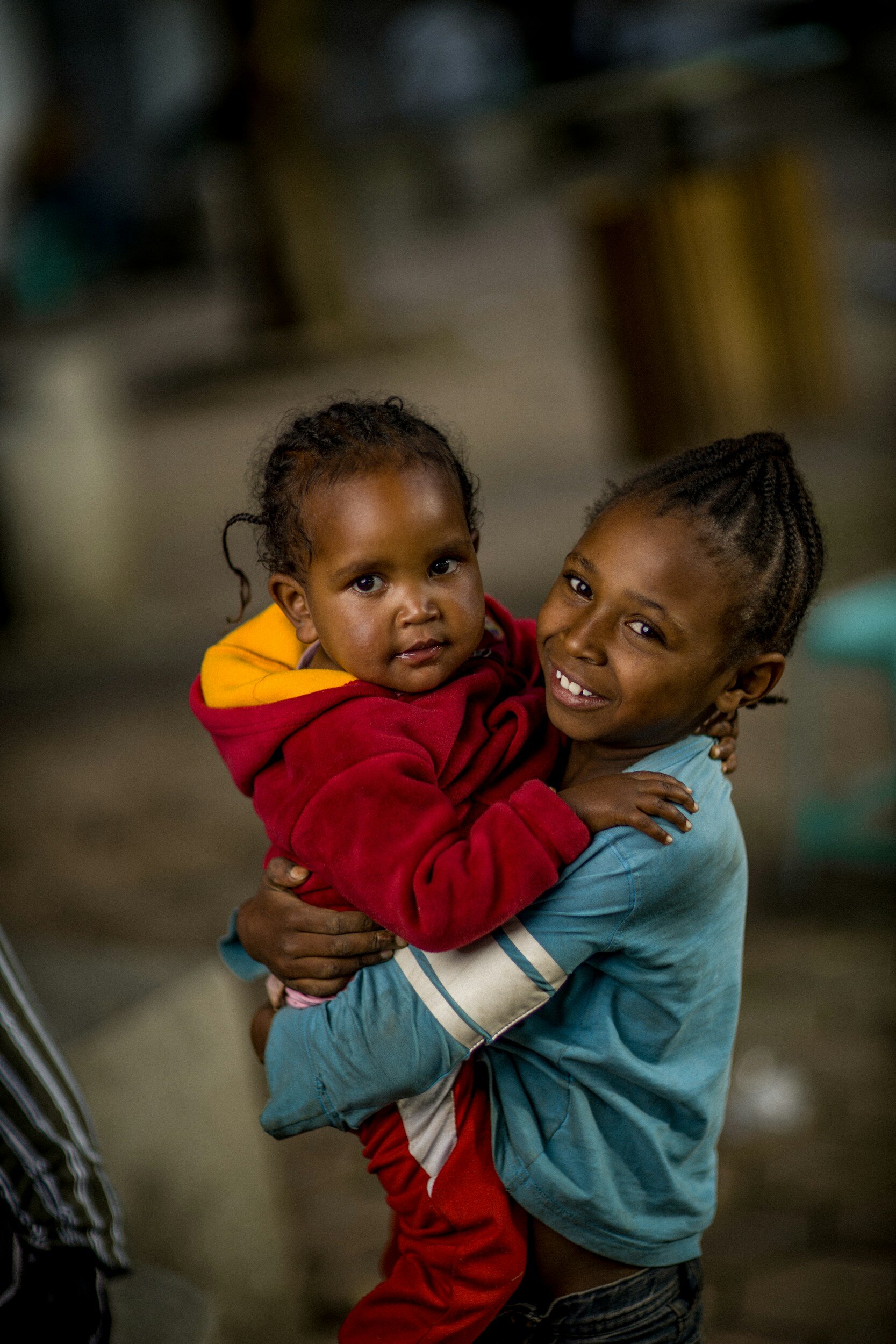
Measuring school readiness globally: Ethiopia
The post 2015 context for international development has led to a demand for assessments that measure multiple dimensions of children's school readiness & are feasibly administered in low-resource settings. This study assesses the construct validity of the International Development and Early Learning Assessment developed by Save the Children using data from a sample of children from rural Ethiopia.

Measuring Early Learning and Development Across Cultures: Invariance of the IDELA Across Five Countries
Relatively little research has addressed whether conceptual frameworks of early learning generalize across different national contexts. This article reports on a cross-country measurement invariance analysis of the International Development and Early Learning Assessment (IDELA). The IDELA is a direct assessment tool for 3- to 6-year-old children, intended to measure Early Literacy, Early Numeracy, Motor, and Social-Emotional development.

National Early Childhood Care and Education Quality Monitoring Systems
This brief describes current country practices related to setting standards and monitoring the quality of early childhood care and education (ECCE) learning environments.

Early learning in Ethiopia: equitable access and learning
Cambridge and REAL's Early Learning Partnership Ethiopia System Diagnostic Report, including MELQO results.