

The Resources Nook
Discover valuable insights into early childhood data and measurement with our collection of blogs, reports, presentations, articles, and briefs curated by ECD Measure and our esteemed partners.
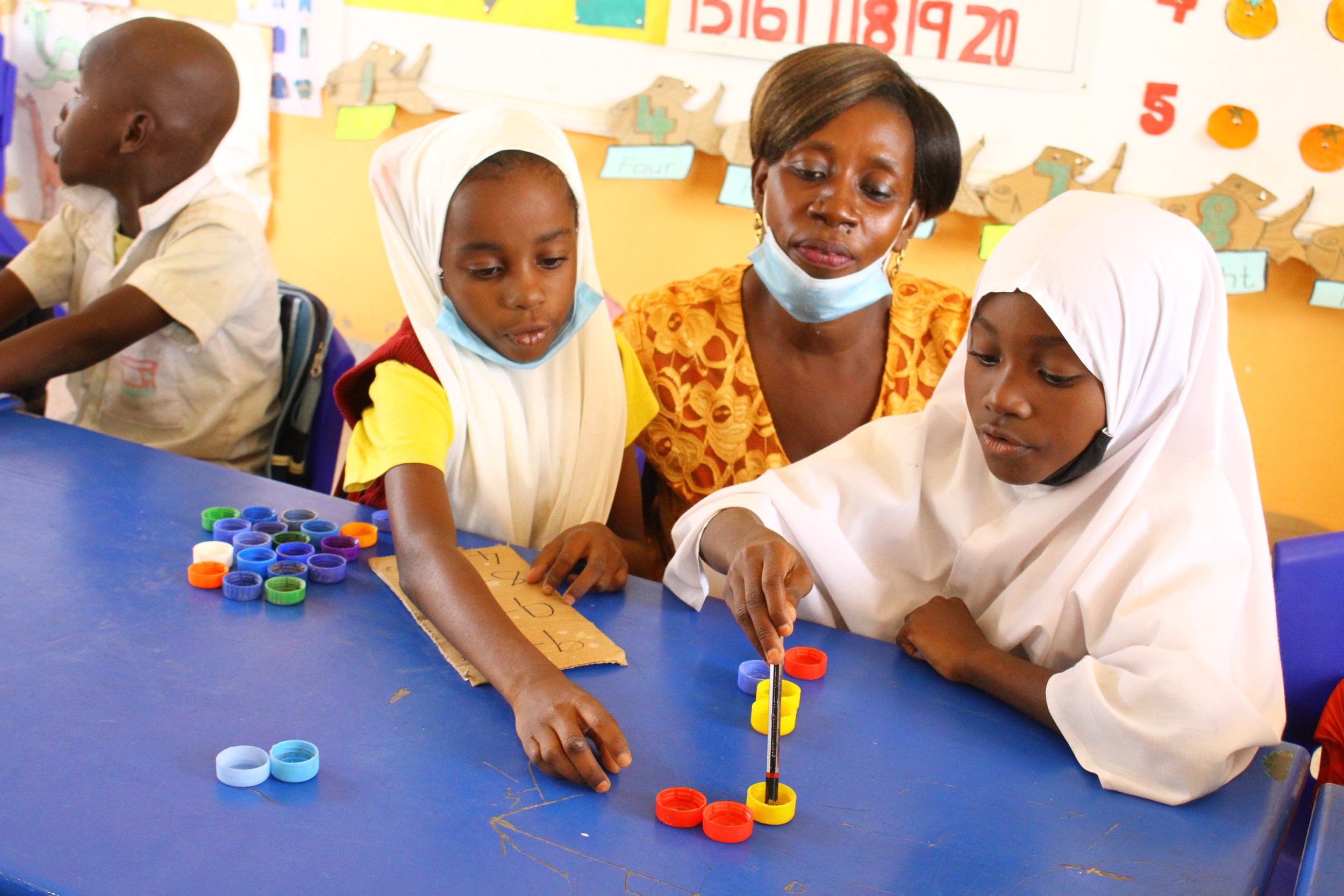
BEQI Behavioral Nudges and Feedback Lead to Improved Educator Practices in Kenya
Published RCT of sending BEQI Feedback and nudges to preschool educators in Mombasa, Kenya.

Measuring Inclusive Early Childhood Education
A brief introducing how the BEQI Toolkit approaches inclusion.

Aligning BEQI with National Early Childhood Standards
A brief summarizing how the BEQI aligns with national early childhood care and education standards in five countries.
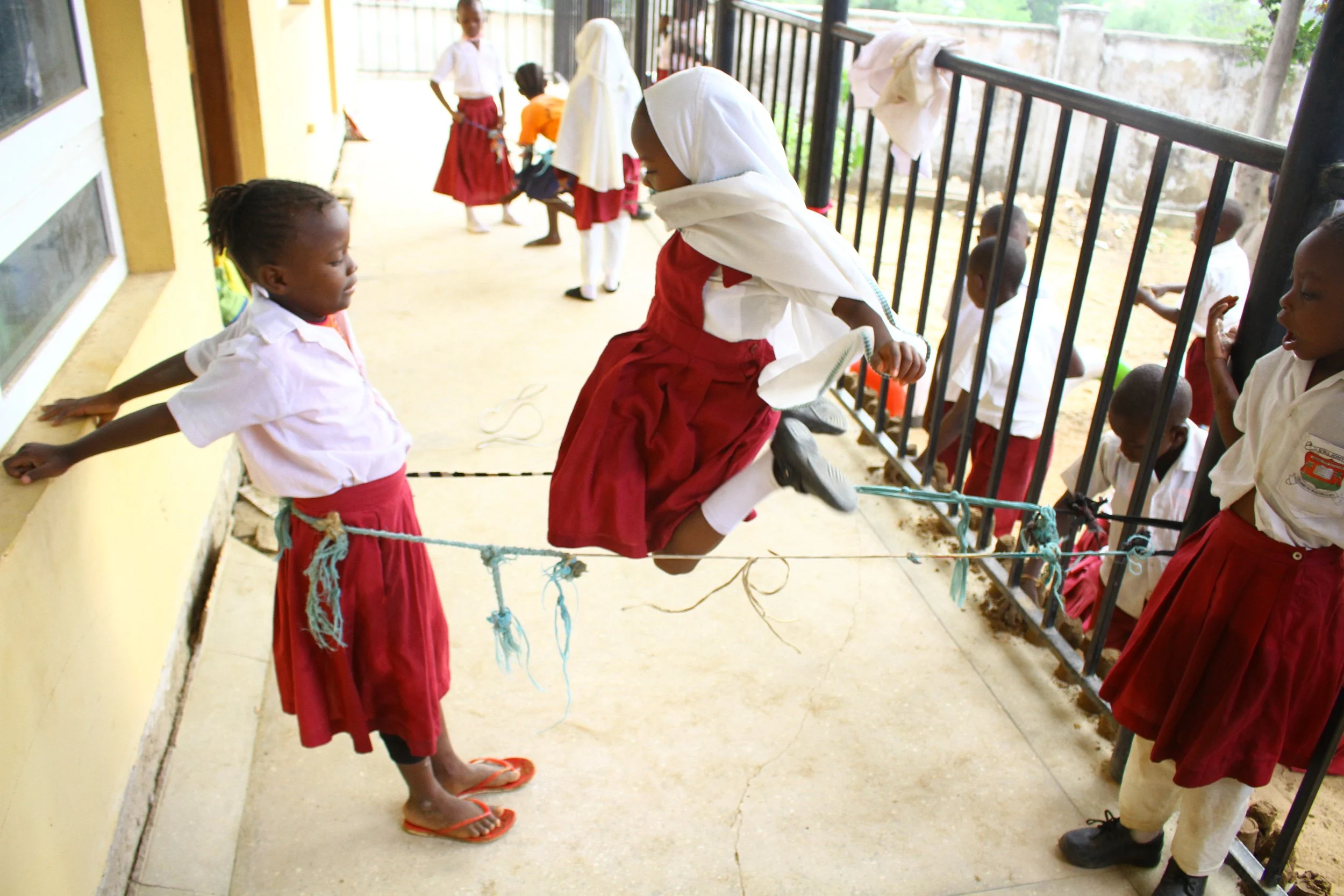
Monitoring Early Childhood Education Practices in S2030 Kenyan Classrooms
A results brief summarizing BEQI data collected in Mombasa and Lamu, Kenya between 2021-2024 in 80 Schools2030 classrooms.

National BEQI Study in Guinea Bissau
In Guinea Bissau, ECD Measure supported two rounds of BEQI data collection in 2024 and 2025 to help the Ministry of Education understand how the new ECE curriculum relates to teaching practices.

From Feedback to Action: BEQI Feedback & Nudge Study in Mombasa, Kenya
In Mombasa, Kenya, ECD Measure led a study showing that BEQI feedback and WhatsApp nudges can significantly improve preprimary teaching practices through simple, low-cost support.

Monitoring Early Childhood Education Practices in Dodoma, Tanzania
In 2023, ECD Measure, Children in Crossfire, and University of Dodoma partnered together to pilot the BEQI in Dodoma, Tanzania. A summary of results are presented in this brief.

Briefing: Developing a quality assurance system for daycare centres in Tanzania
ECD Measure supported the Tanzanian government in piloting a quality assurance system (QAS) for community-based daycare centres serving children aged 2–4. Read more in our brief.

BEQI: Evidence for Subscales
Using a dataset of more than 800 observations of early childhood settings conducted by trained observers, we assessed the evidence for the modules we use to summarize BEQI results. We were interested in determining whether proposed underlying constructs of play-based learning, learning through conversations, and promoting strong relationships were supported by the data.

Enhancing Early Childhood Education Quality Through Data-Driven Approaches in Guinea-Bissau
In 2024, ECD Measure collaborated with the Guinea-Bissau Ministry of Education and UNICEF to strengthen the country’s Early Childhood Education (ECE) systems through two key initiatives: the development of a Quality Assurance System (QAS) and leveraging BEQI (Brief Early Childhood Quality Inventory) classroom observation data to support ECE educators. These efforts are paving the way for improved ECE quality by integrating data-driven practices and empowering educators with actionable insights.

Virtual Quality Improvement in Early Childhood: Virtual Observations, Goal Setting, and Text Messaging to Promote Adoption of Evidence-based Practices
This published study shows that by providing targeted virtual feedback and support, BEQI Together in Practice can help childcare professionals improve their practices, and in turn, create more positive and engaging learning environments for children.

Government Monitoring of Early Childhood Education Practices in The Gambia, Uganda, and Zambia
This brief is intended to support country-level early childhood stakeholders to communicate the purpose of BEQI, the importance of key evidence-based practices in early childhood care and education, and results from the BEQI pilot in The Gambia, Uganda, and Zambia

Together for Early Childhood Evidence Supports Five Research Projects in Africa
This brief provides an overview of country-led T4ECE research projects focused on addressing gaps in evidence and data-driven decision-making in Ethiopia, Liberia, Malawi, Rwanda, and South Africa.

Quality and inequality in pre-primary and home environment inputs to early childhood development in Egypt
This paper examines how pre-primary quality, stimulation at home, and early childhood development vary by socioeconomic status for pre-primary students in Egypt. The results demonstrate substantial socioeconomic inequality in stimulation at home, more so than in pre-primary quality and inputs, although there is variation in the degree of inequality across different dimensions of pre-primary quality.

Early Childhood Education in Brazil: Child Rights to ECE in Context of Great Disparities
This case study explores access to quality early childhood education (ECE) for children aged four to six years. We describe the economic and policy contexts of ECE in Brazil, with emphasis on the role of ECE in addressing regional, racial/ethnic, and economic disparities.

Overview of the BEQI: Together in Practice System
BEQI: Together in Practice is an easy-to-use system designed to help monitor and improve early childhood programs through evidence-based practices. At the core of the system is the Brief Early Childhood Quality Inventory (BEQI), an adaptable, proven tool that is already helping early childhood programs for children from birth to age five in 18 countries monitor environments and practices.

Results Brief - BEQI: Together in Practice Feedback and Goalsetting with Childcare Educators
Use of evidence-based practices in out of home childcare settings can promote healthy development in young children. The goal of our study was to test the use of the BEQI: Together in Practice system in changing behaviors of childcare educators to adopt more evidence-based practices.

Using Early Childhood Data and Measurement to Leverage Change: Are We Making Progress
As countries make continued investments in early childhood care and education (ECCE) systems, data and measurement play a critical role in outlining strengths and areas for improvement. To promote data-driven decision making across all levels of early childhood systems, measurement must be valid, reliable, and feasible, especially when used at scale.

Snapshot of ECCE Quality Assurance Systems in Africa
In 2021, ECD Measure and the Association for the Development of Education in Africa (ADEA) partnered together to review the status of ECCE QAS in Africa by surveying ministries of education. In 2022, a followup survey was conducted to gather additional information about QAS implementation issues.

Profiles of Quality In Three Distinct Early Childhood Programs Using The Brief Early Childhood Quality Inventory (BEQI)
Drawing on principles of mixed methods design, this study reports on a new approach to ECCE quality measurement: the Brief Early Childhood Quality Inventory. Using data from the USA, Liberia, and Colombia, results indicate variation in the items perceived as highly relevant to each setting and in the characteristics of classrooms including the degree of child autonomy, the types of activities, and in child/educator interactions and dialogue.